Telescopes & Instruments
Telescope Adventures
My journey in astronomy has been a hands-on adventure. I've had the incredible privilege of visiting, working with, and learning from some of the greatest observatories and the brilliant people who run them. Each instrument has taught me invaluable lessons about instrumentation, astrophysical research and the art of observational astronomy, and this page is my personal scrapbook of those experiences.
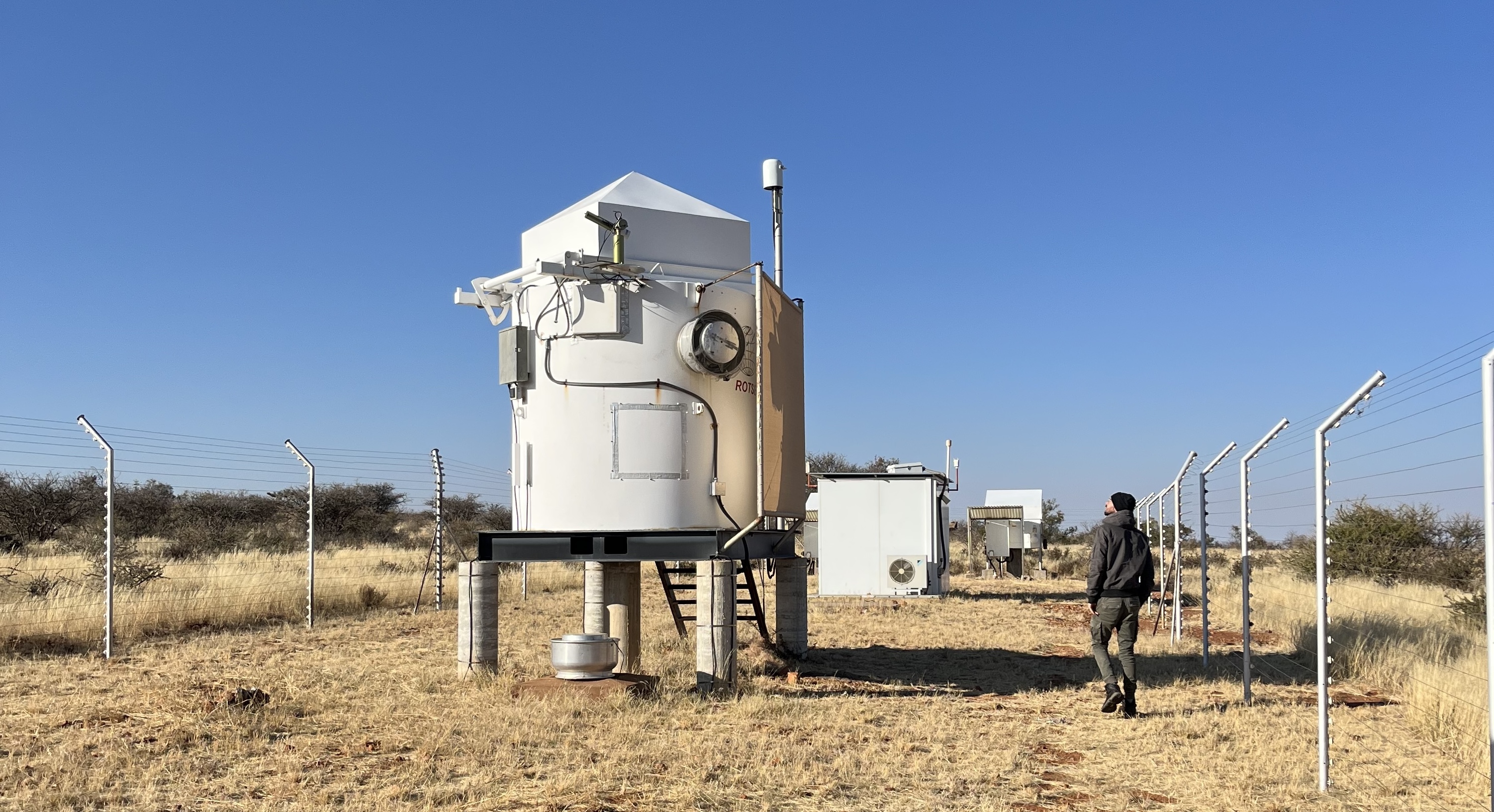
ROTSE
📍 Khomas Highlands, Namibia
The ROTSE-IIIc telescope in Namibia, a 0.45-meter wide-field reflector, was originally a rapid-response robot for Gamma-Ray Bursts (GRBs) before being decommissioned in 2013. I've been fortunate to play a part in its restoration (funded by AfAS and DARA), which is transforming it into a modern tool for the African astronomical community. My role has been to implement its entire new Observatory Control System (pyobs). Furthermore I was involved in everything from fabricating hardware, like its weather station, to writing the new camera software, but my most critical contribution was solving its biggest challenge: I wrote a completely new low-level mount driver from scratch. This breakthrough finally unlocked its full robotic potential, enabling it to be reborn for new missions in transient science and as a key training resource for African researchers and students.
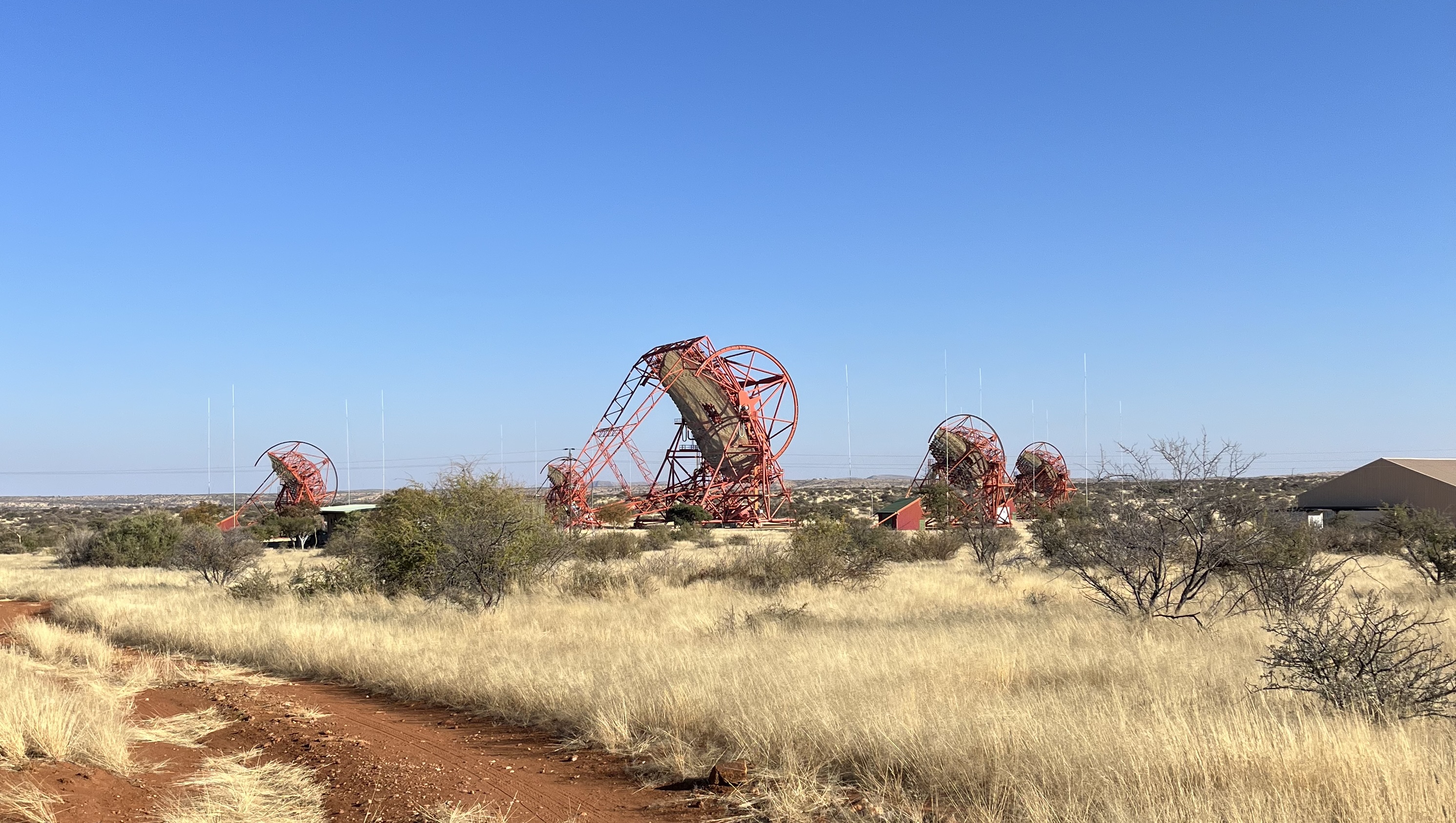
High Energy Stereoscopic System
📍 Khomas Highlands, Namibia
This is the incredible High Energy Stereoscopic System (H.E.S.S.) array in Namibia. It's a next-generation system of five Imaging Atmospheric Cherenkov Telescopes (IACTs)—four 12-meter telescopes and one massive 28-meter one in the center. They work together to detect very high-energy gamma rays by capturing the faint, brief flashes of Cherenkov light produced when the gamma rays hit our atmosphere. I was lucky enough to see it up close, as it shares the site with the ROTSE telescope I work on. The best part was meeting the amazing observers and support crew. A huge shout-out to Sennae, Toni, Frikkie, and Kai, who have all helped us by "babysitting" ROTSE when we aren't on-site. They're the best remote support crew we could ask for!
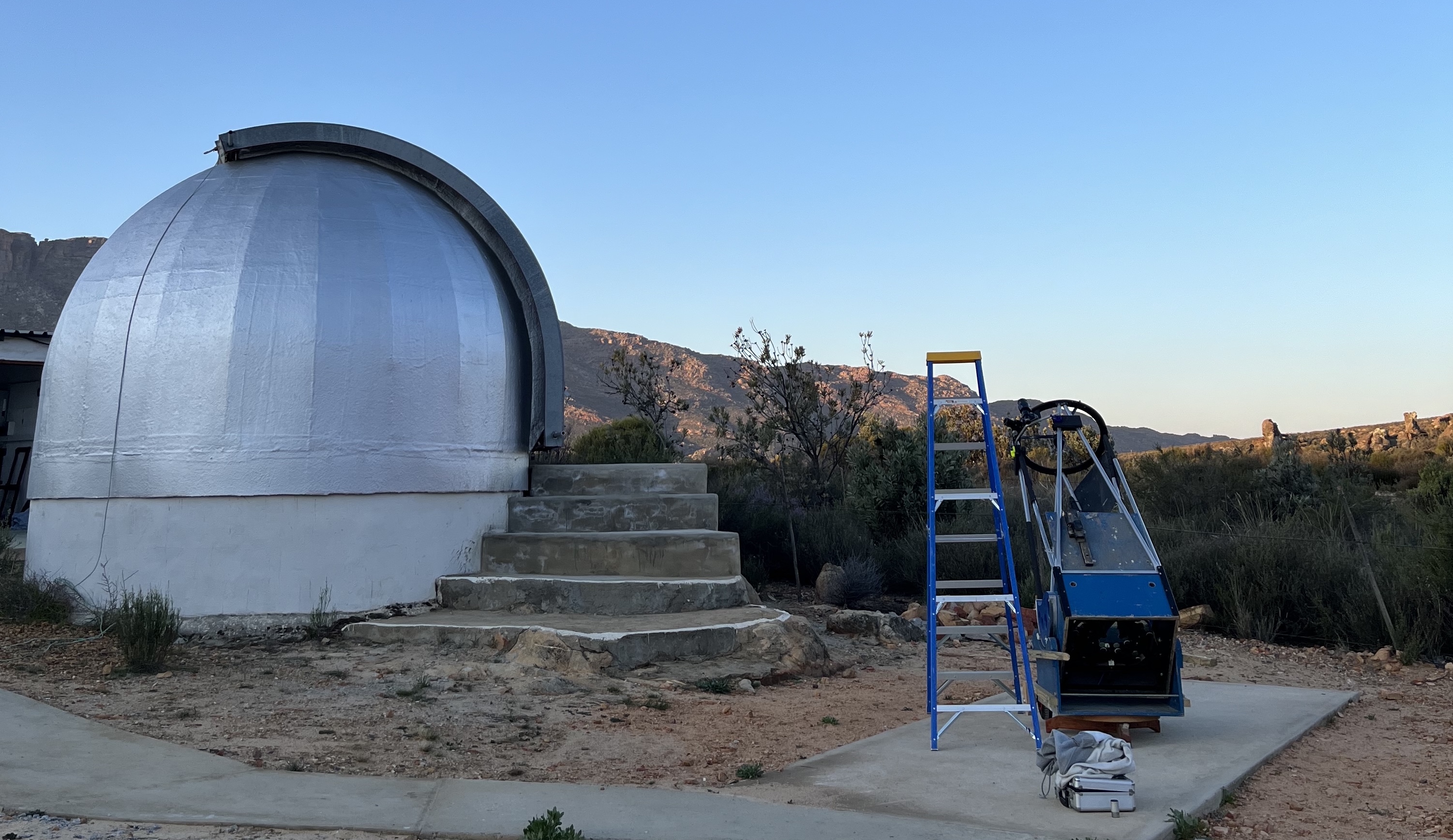
Cederberg Observatory
📍 Cederberg, South Africa
I had an incredible opportunity to assist Prof. Peter Dunsby with a public stargazing night at the Cederberg Observatory. It was amazing to see their mission in full swing; they can host over 100 people, and the evening was buzzing with energy. After an informative talk, we got to work, guiding visitors through the cosmos with the observatory's impressive lineup of telescopes, including the big 17" Dobsonian and the 9.25" Celestron. It was fantastic to be part of that effort, sharing views of planets, nebulae, and clusters and helping to foster that "deper connection to the cosmos" they aim for. It's a special place where public inspiration and real science (like the POLSA and AMOS systems on-site) exist side-by-side.
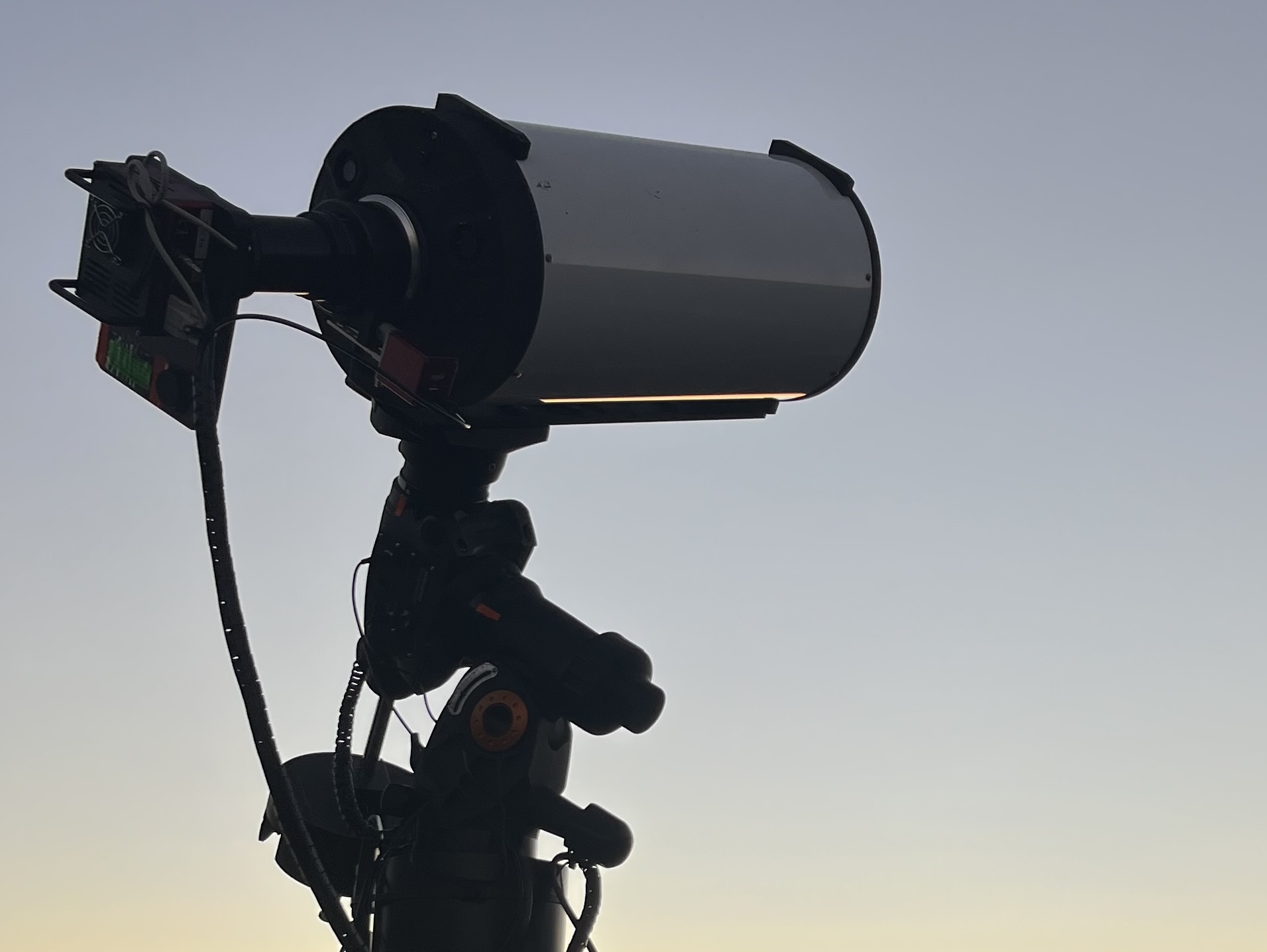
MONTI
📍 South African Astronomical Observatory, Sutherland
Meet MONTi (MONET-Tiny)! It used to "piggyback" on the 1-meter MONET South telescope, but now it's a fully independent system. It pulls double duty by backing up MONET's observations or running its own. Fun fact: Getting MONTi up and running was the Masters thesis of my office mate during my research internship at the IAG, Lennart. He's the one who set it all up and wrote the pyobs software to make it all work.
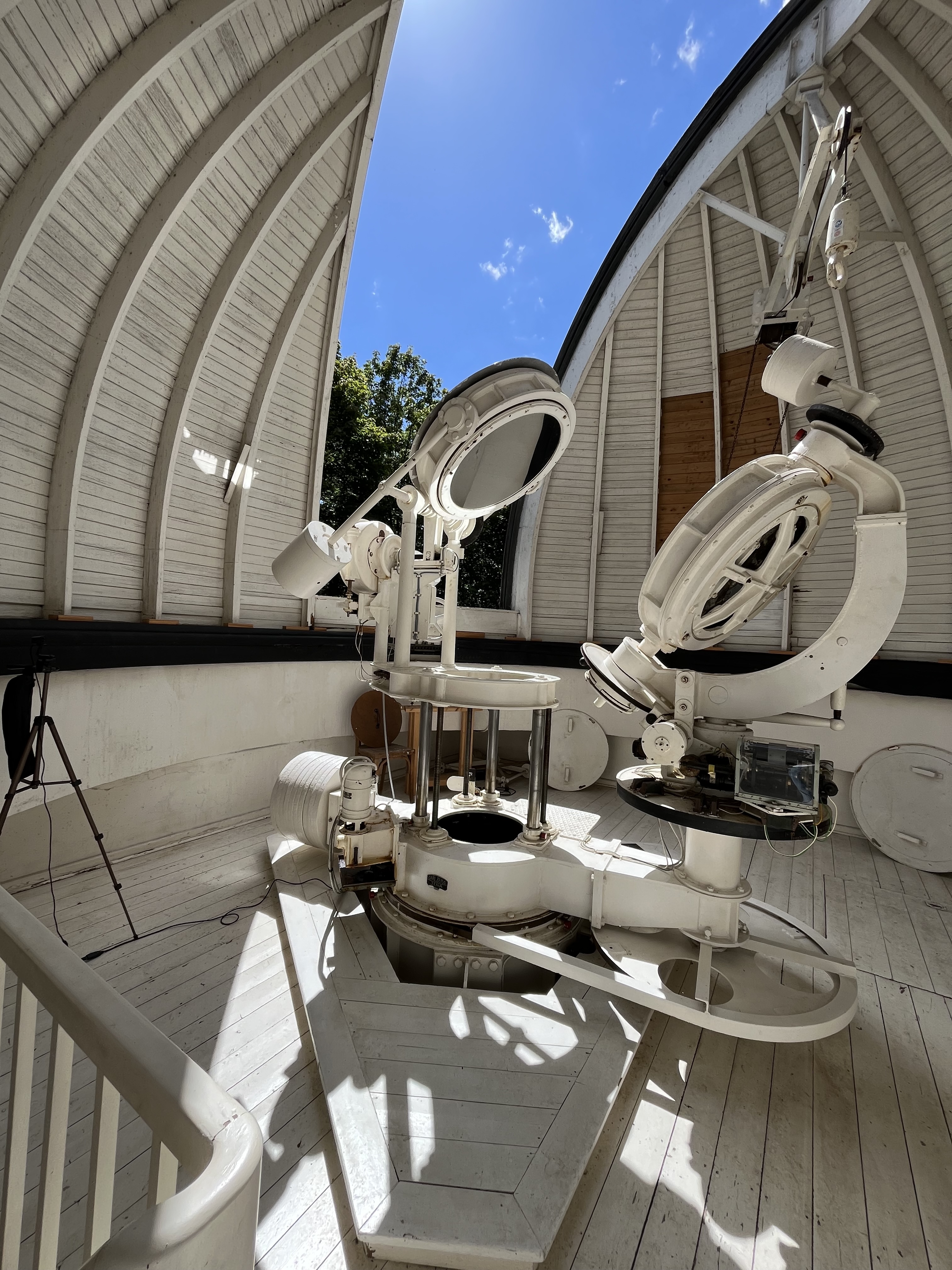
Der Göttinger Sonnenturm
📍 Göttingen, Germany
This is the historic Göttingen Solar Telescope, located at the Hainberg observatory. I visited during an open day hosted by the Amateurastronomische Vereinigung Göttingen (AVG), the amateur society that volunteers to maintain this incredible site and share it with the public. I was given a fantastic tour by a member named Hein, who not only knew the telescope inside and out but also shared stories of his short-wave radio chats with people in my home city of Cape Town!
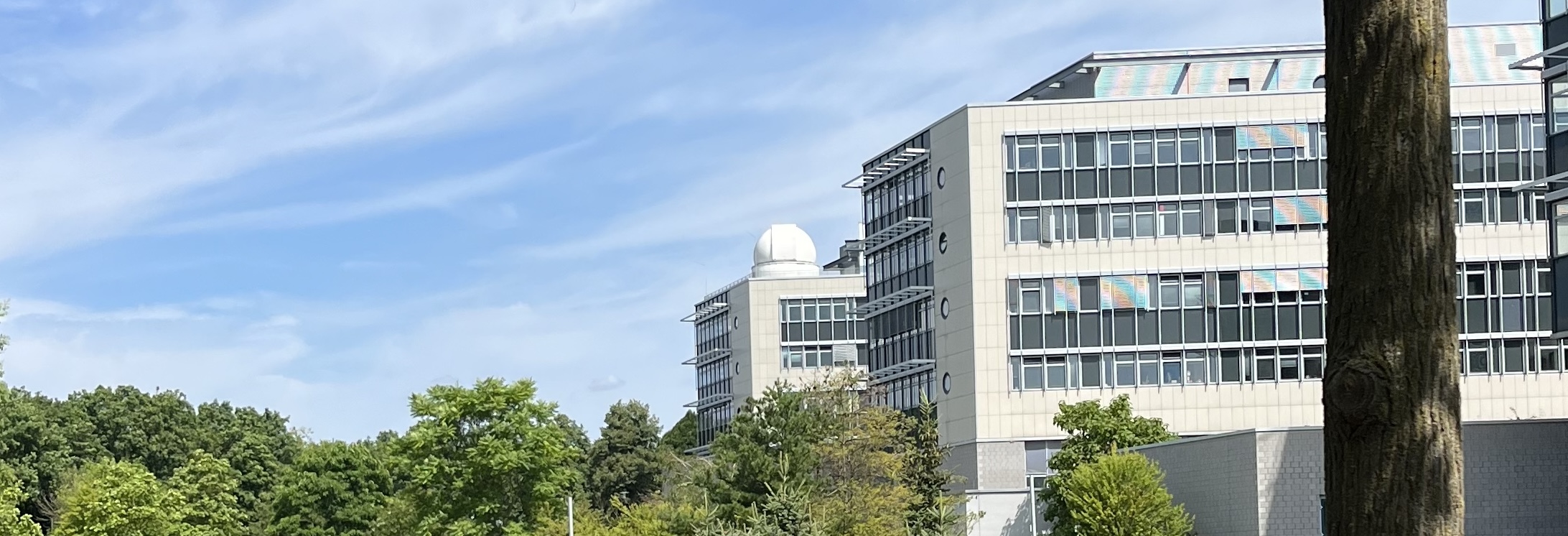
IAG 50 cm & VVT
📍 Universität Göttingen, Germany
While I was at the Institute for Astrophysics and Geophysics, I also got to see the two main telescopes they use for university courses. The first was the modern 50cm Cassegrain telescope, housed in a dome on the roof terrace. The second was the very impressive Vacuum Vertical Telescope (VVT), a unique instrument built into the building itself, which uses a siderostat on the roof to feed sunlight for high-resolution solar spectroscopy. Both of these instruments run entirely on pyobs, the open-source observatory control system (OCS) that I was visiting to learn, developed right there at the institute.
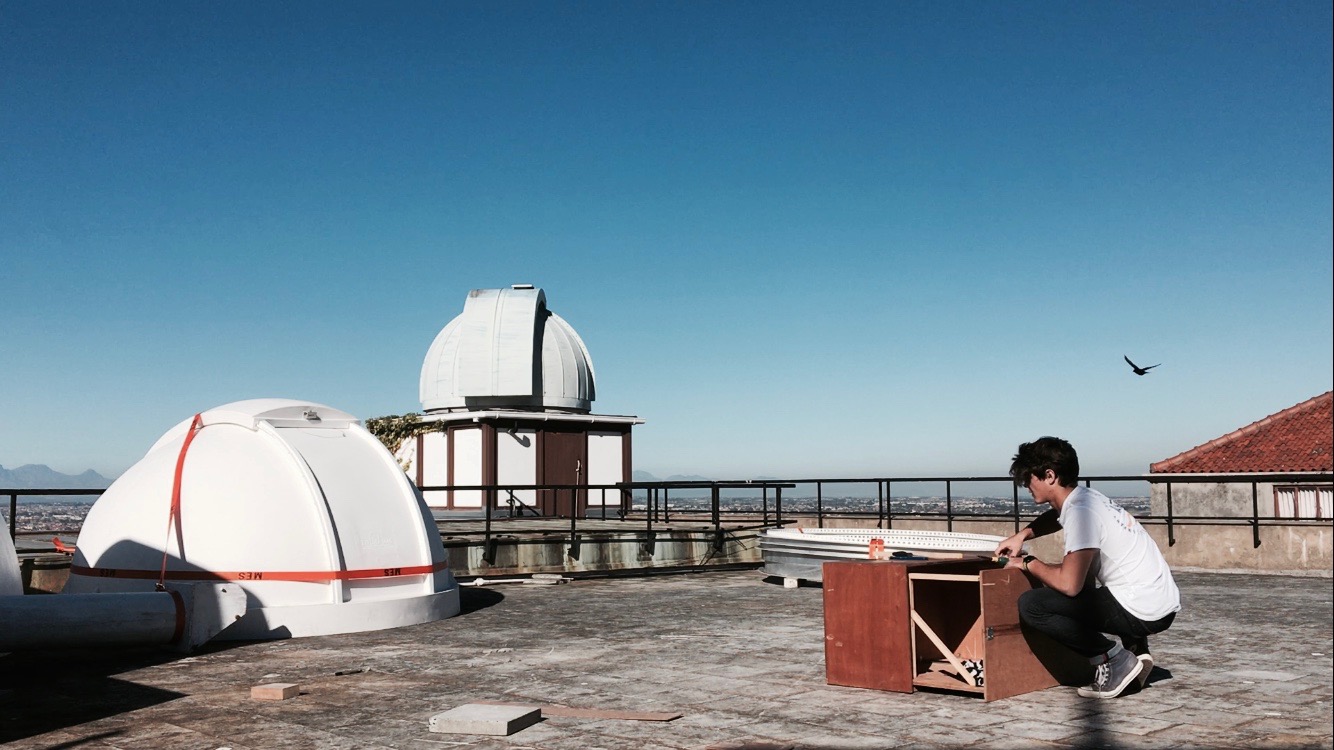
The Tony Fairall Teaching Observatory (Optical)
📍 University of Cape Town, South Africa
As part of my astrophysics major at UCT, I had the fantastic opportunity to get hands-on experience with the "Tony Fairall" teaching telescopes on the roof of the RW James building. These aren't just for display; they are a core part of the curriculum. For my second-year Astronomical Techniques (AST2003H) course, we used the 14-inch telescope in the East dome for an imaging practical on open star clusters, using its new QHY268M CMOS camera. For my third-year Stellar Astrophysics (AST3002F) course, we moved to the West dome to use the other 14-inch telescope, which is equipped with a low-resolution spectrograph for an optical stellar spectroscopy practical. It was an incredible experience to use these upgraded observatories right on campus.
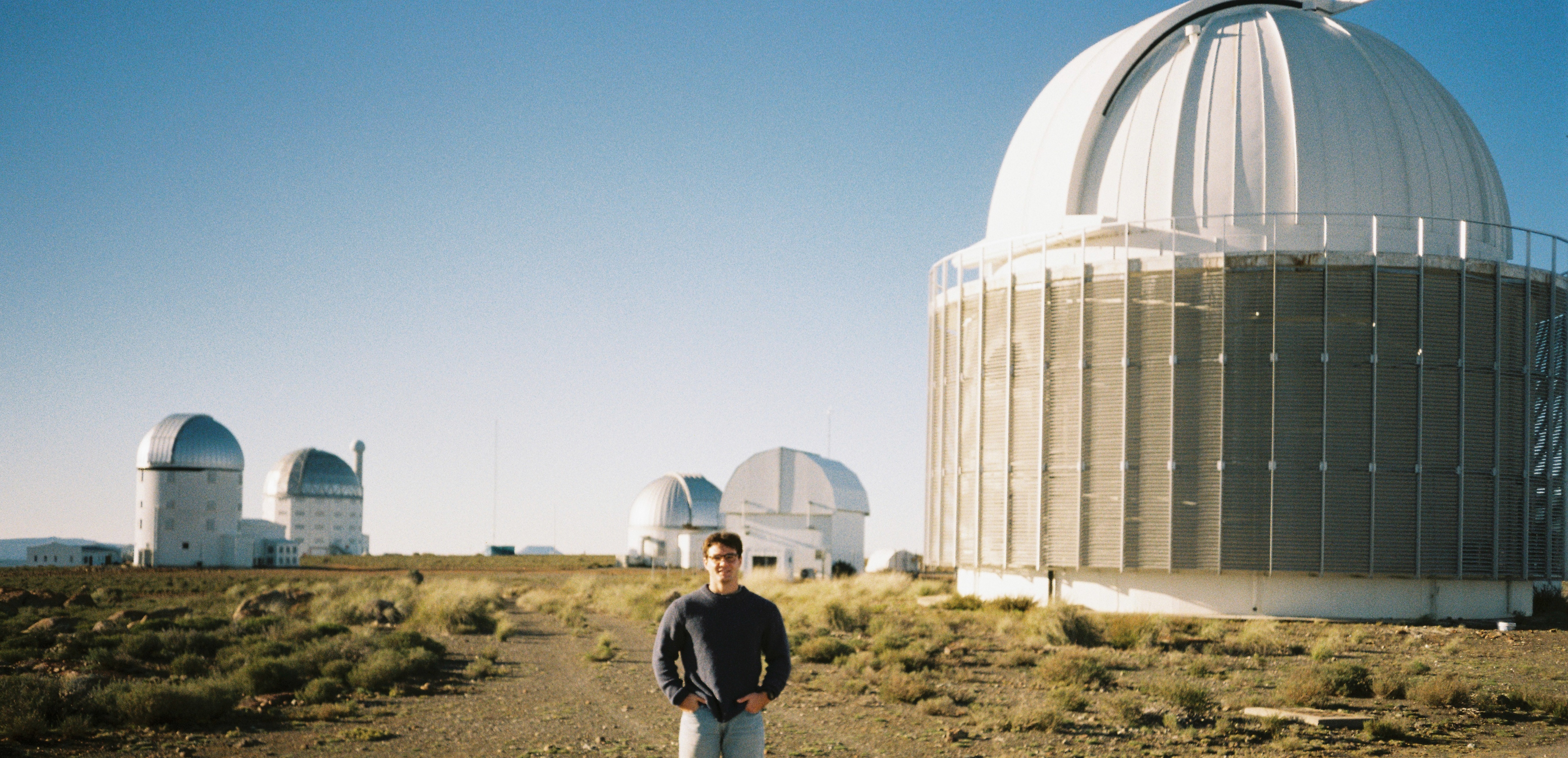
Lesedi Telescope
📍 South African Astronomical Observatory, Sutherland
The 1-meter Lesedi telescope at SAAO represents a major milestone for me, as it was my first time developing software for a large, research-grade telescope. "Lesedi" (Sesotho for "light") is a modern, robotic alt-az telescope with two Nasmyth foci. My work was focused on its operational software. I developed a machine learning model to classify sky conditions, and I also wrote the core logic to schedule observations for spectrophotometric calibration stars, which included calculating observability and correcting for proper motion. I am incredibly proud that this scheduling code is robust and still runs daily on the telescope. This project was my first real dive into the complexities of a full robotic Observatory Control System (OCS) and its scheduling.
The Oryx Observatory
📍 Khomas Highlands, Namibia
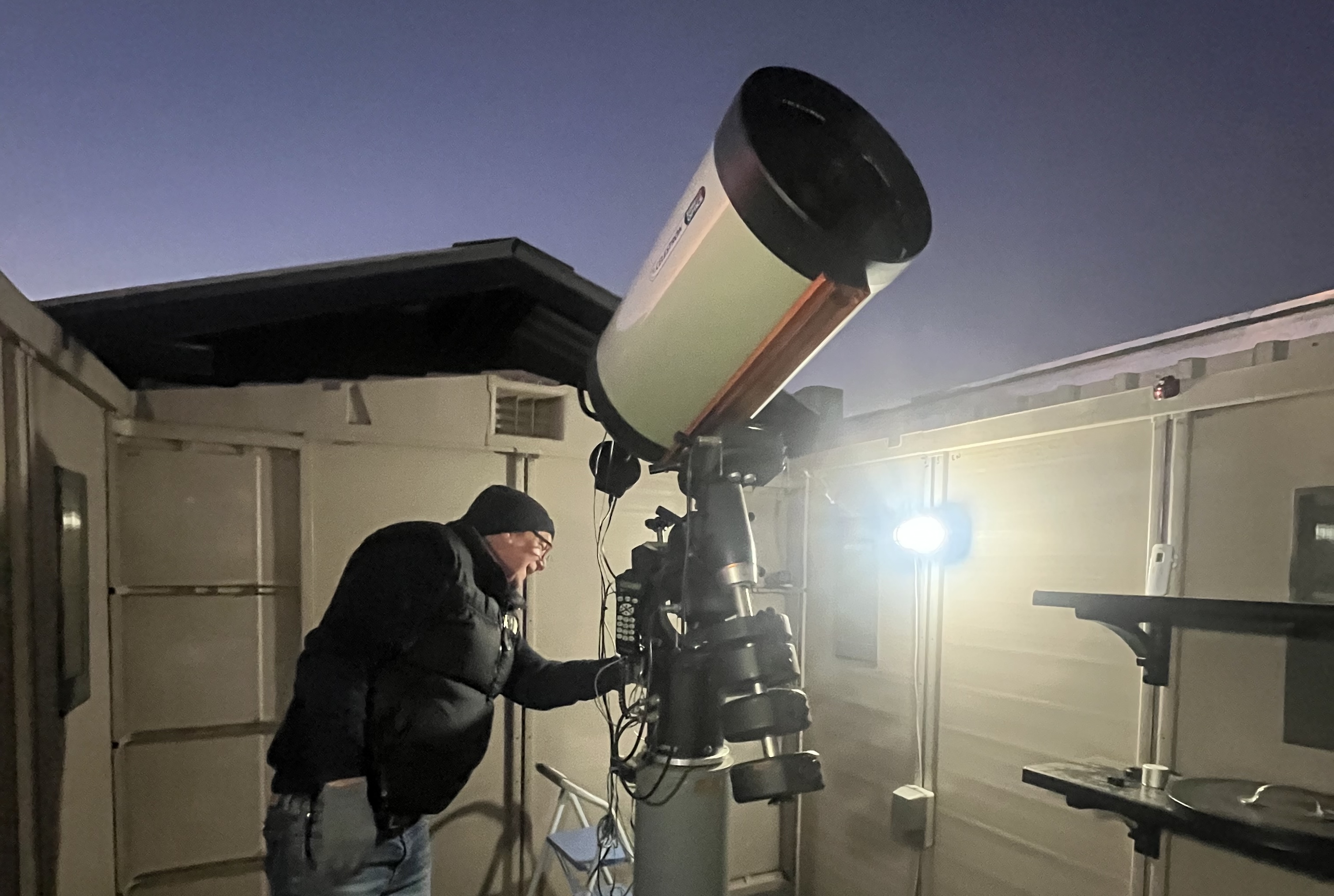
It was a real privilege to spend time with the incredible Clyde Foster at his Oryx Observatory in Namibia. As a fellow member of the ROTSE revival team, it was fantastic to finally connect in person. Clyde, an award-winning South African amateur astronomer, moved to Namibia with his wife Marina in 2022 to pursue his passion for planetary imaging. His skill is world-renowned: in 2020, he spotted a new storm on Jupiter, which was nicknamed ‘Clyde’s Spot’ in his honour. Clyde is also the acting director of the planetary section of the Astronomical Society of Southern Africa
McLean Observatory
📍 South African Astronomical Observatory, Cape Town
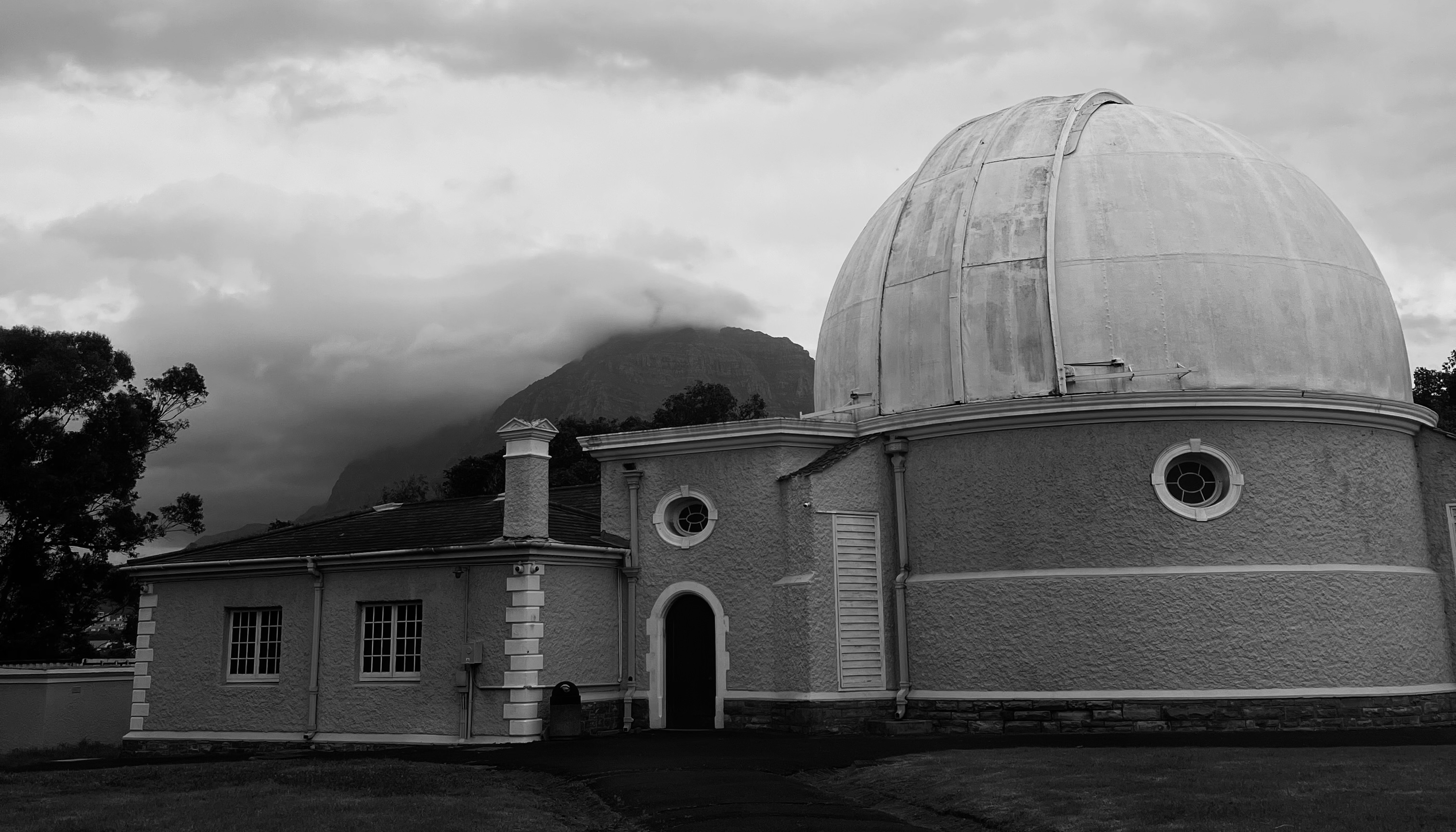
The McLean Observatory is really the historic heart of the SAAO campus here in Cape Town. It's an incredible building, designed by Herbert Baker in the late 1890s, and houses the beautiful 24-inch McClean telescope built by Howard Grubb. This instrument was a pioneer, used for early spectroscopic analysis in South Africa. Now, the building serves as the SAAO's astronomical museum, filled with fascinating historical instruments. It's also the main hub for public outreach—I've been to their open nights (held on the 2nd and 4th Saturdays), and it's a special experience to see the exhibits and get to look at the sky through that very same 19th-century telescope.
Global Jet Watch
📍 Cape Town, South Africa
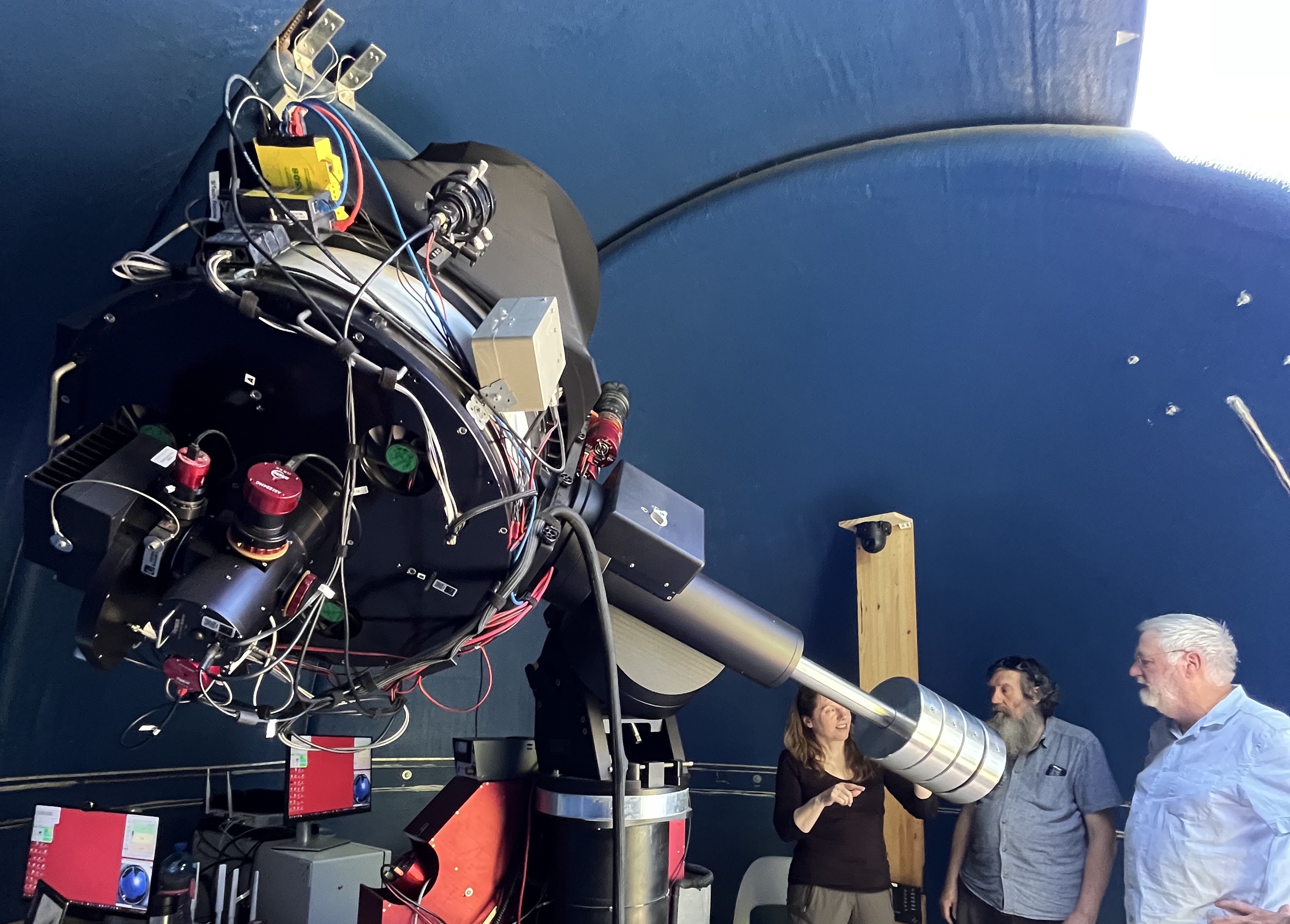
I won't soon forget this hot Cape Town afternoon. Prof. David Buckley took me for an amazing visit to the Global Jet Watch telescope. It's a magnificent project with a dual mission: to perform novel, time-domain astrophysics on black holes and other violent phenomena, while simultaneously engaging young people (especially girls in developing countries) in science and engineering. I had the honour of meeting Professor Katherine Blundell and Instrumentation Scientist Steven Lee, who were generous enough to give me a deep dive. The most impressive part is its unique instrumentation. Steven Lee himself designed their "Aquila" spectrograph because no off-the-shelf instrument could meet their research goals. He explained how he engineered it for high throughput and high spectral resolution, and how the new "Aquila-2" spans the entire optical rainbow.
ATLAS STH
📍 South African Astronomical Observatory, Sutherland
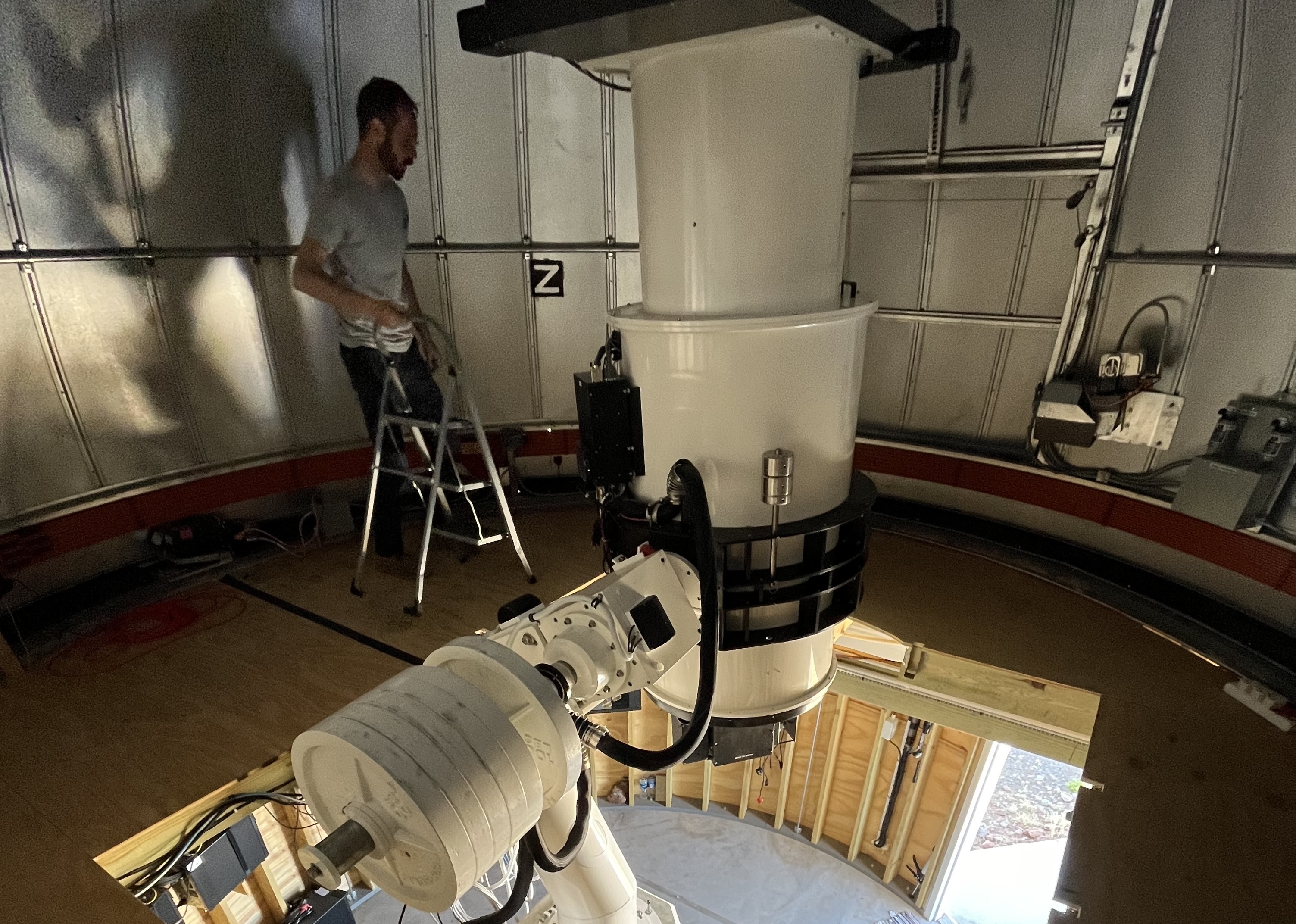
This is the ATLAS (Asteroid Terrestrial-impact Last Alert System) telescope at Sutherland, one of five robotic 0.5-meter telescopes in a global network. This site has a special connection for me, as my supervisor, Dr. Nicolas Erasmus, and Mr. Willie Koorts are the team who personally assembled it, an incredible feat they managed during the COVID pandemic. Dr. Erasmus gave me a full tour while we were at SAAO, and it was amazing to get a deep dive into how it operates as well as the computing techniques used to find these asteriods in a mountain of data. The system is funded by NASA to scan the entire observable sky at an extremely high cadence, acting as a crucial early warning system to find near-Earth objects days or weeks before a potential impact.
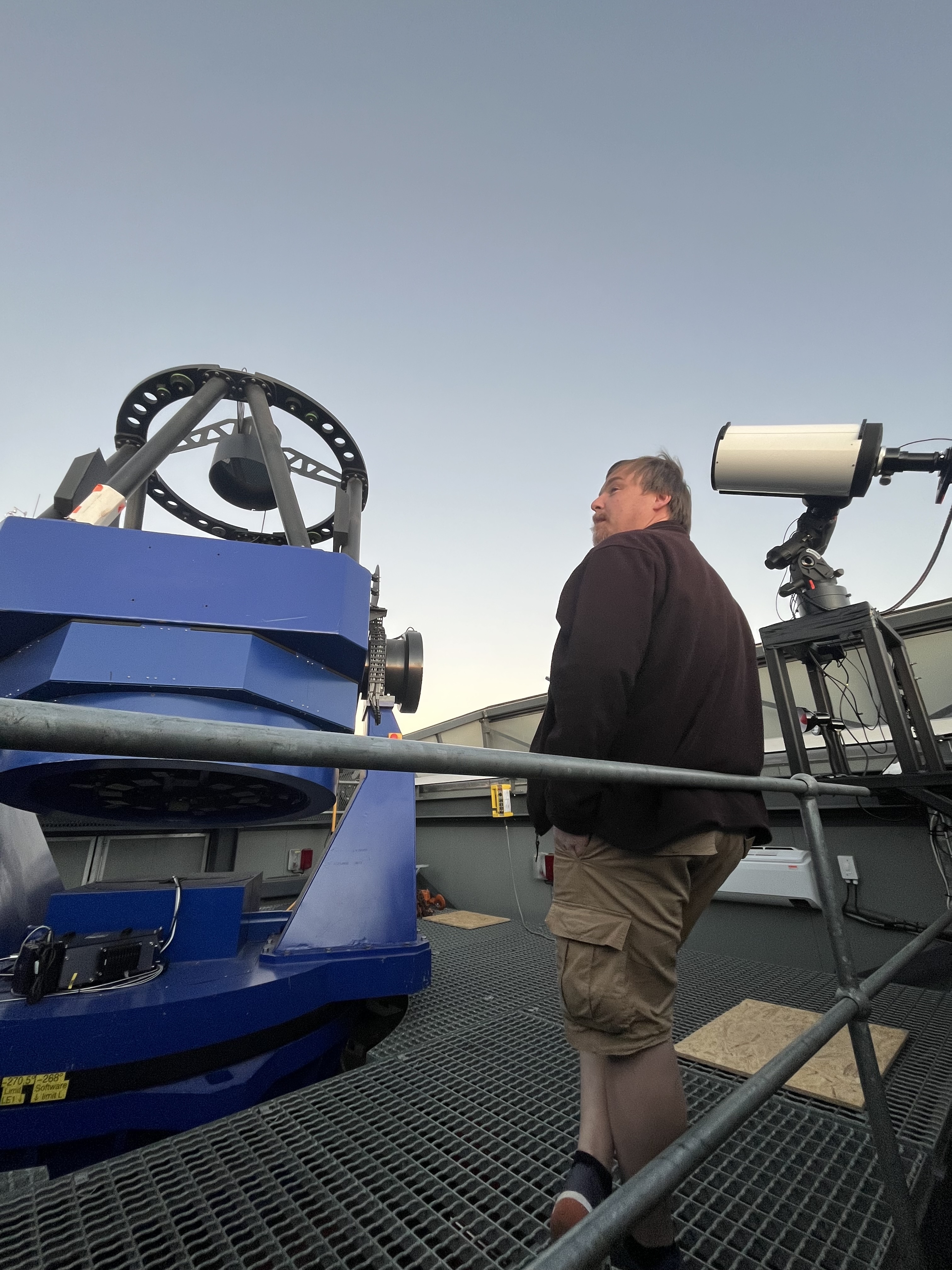
MONET South
📍 South African Astronomical Observatory, Sutherland
The 1.2-meter MONET South telescope at SAAO is a special instrument for me. It's part of a two-telescope network (with MONET/North in Texas) run by Göttingen University, SAAO, and McDonald Observatory. My personal connection to it comes from its software. I've been fortunate to spend a lot of time with Dr. Tim-Oliver Husser from the IAG in Göttingen, who is the lead developer of pyobs, the powerful open-source observatory control system that robotically operates the entire MONET network. A large part of MONET's mission is dedicated to education, giving schools access to a world-class robotic telescope.
ATOM
📍 Khomas Highlands, Namibia
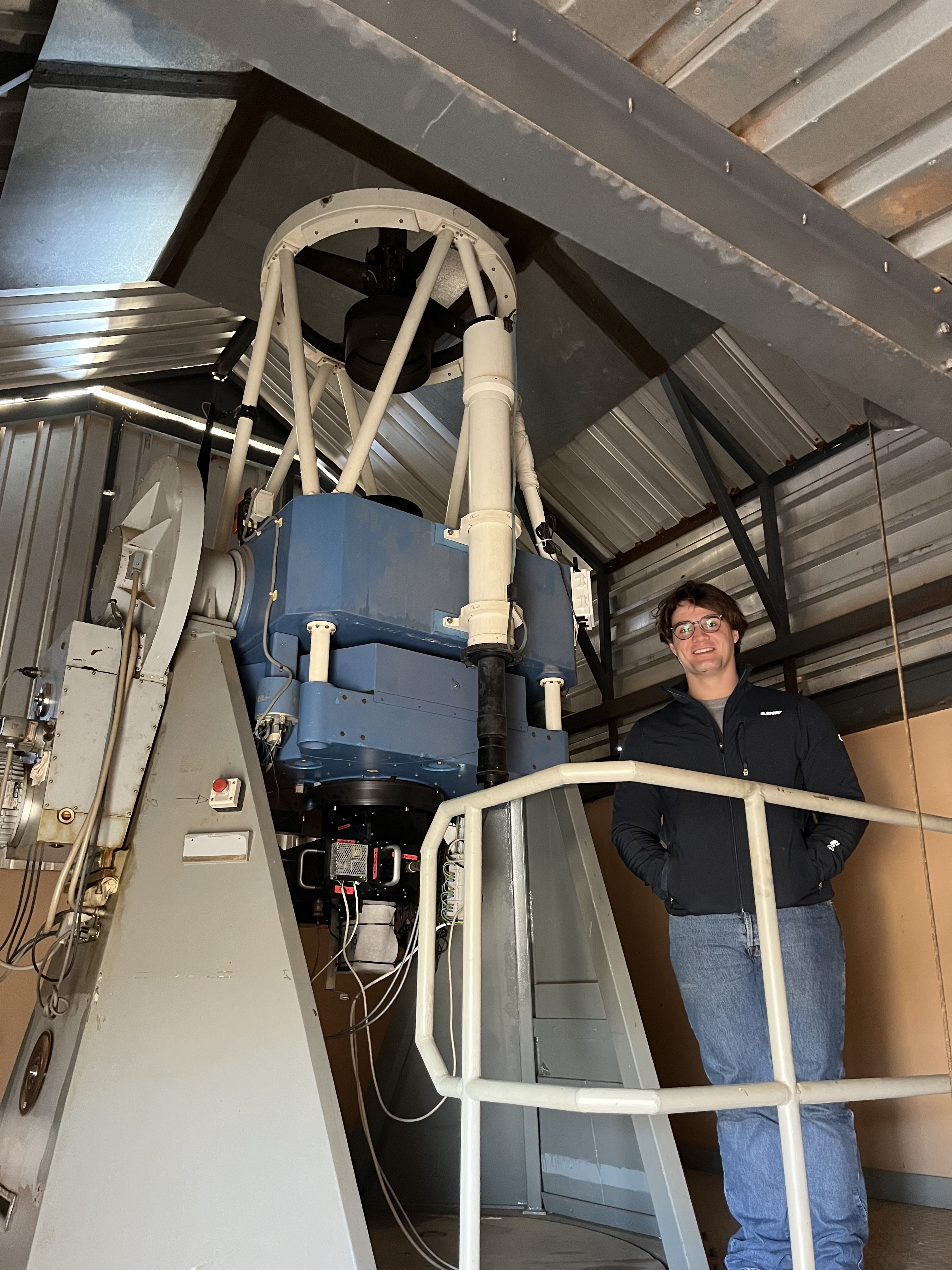
While visiting the H.E.S.S. site in Namibia, I also got to see its hard-working support telescope, ATOM (Automatic Telescope for Optical Monitoring). It's a 75cm telescope that operates in a fully automated, robotic mode ... no human attendance required. Its main purpose is to support H.E.S.S by providing critical optical data. It automatically monitors variable gamma-ray sources, checks out potential new targets for H.E.S.S., and also functions as a transmission monitor to help calibrate the Cherenkov data. It's a fascinating piece of engineering, repurposed from an original Carl Zeiss prototype and completely refitted with robust electronics for its vital, non-stop mission.
The Tony Fairall Teaching Observatory (Radio)
📍 South African Astronomical Observatory, Cape Town
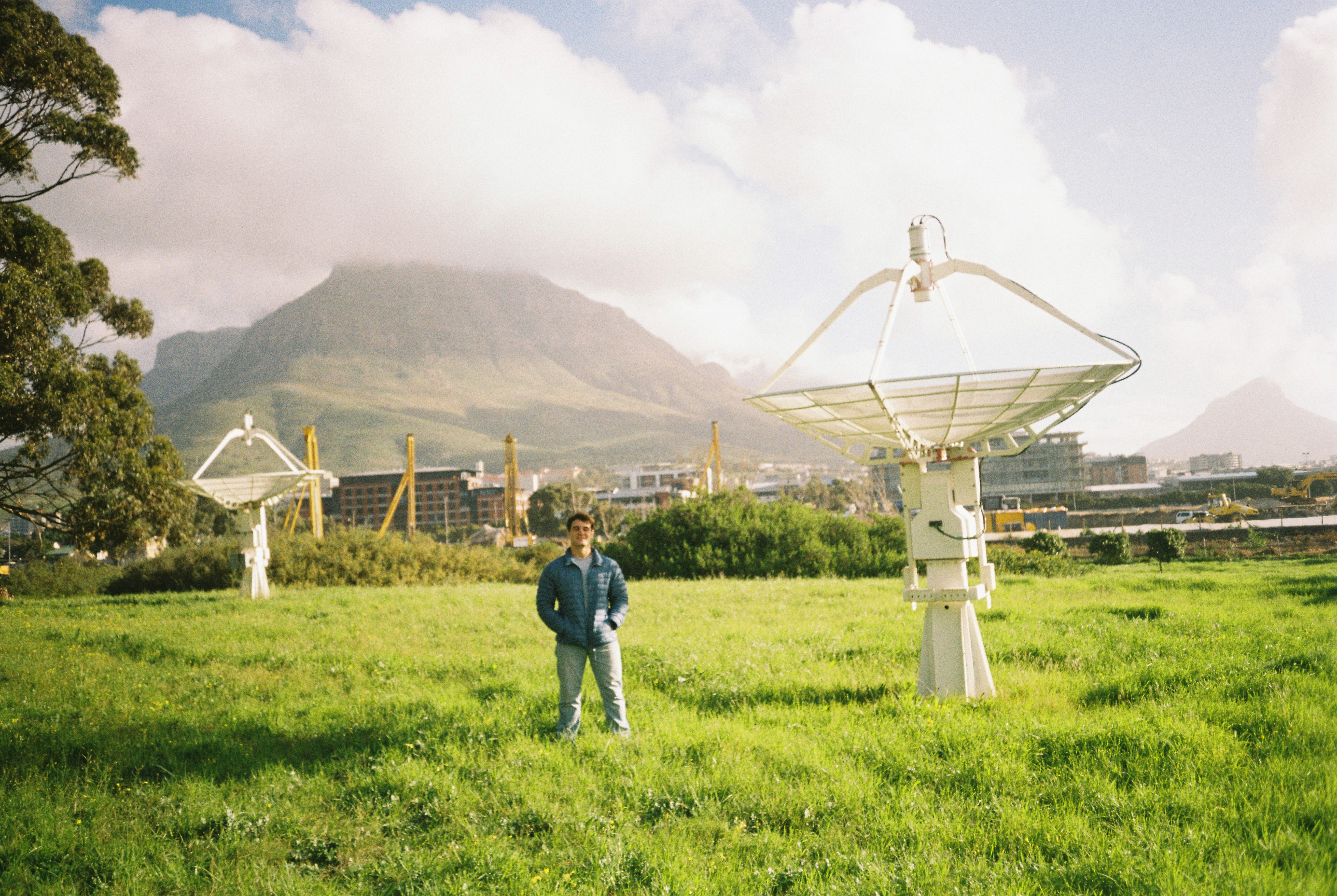
In addition to the optical telescopes, I also got to use UCT's two radio telescopes during my undergraduate courses. Although they are hosted at the SAAO site nearby, they are fully remote-operable, so we could control them from campus for our practicals. Both are 3-meter Radio2Space dishes centered at 1420MHz, which we used to conduct HI (hydrogen line) radio astronomy. This was a key practical component for both my second-year Astronomical Techniques (AST2003H) and third-year Galactic Astrophysics (AST3003S) courses.
F.W. Herschel Telescope
📍 Göttingen, Germany
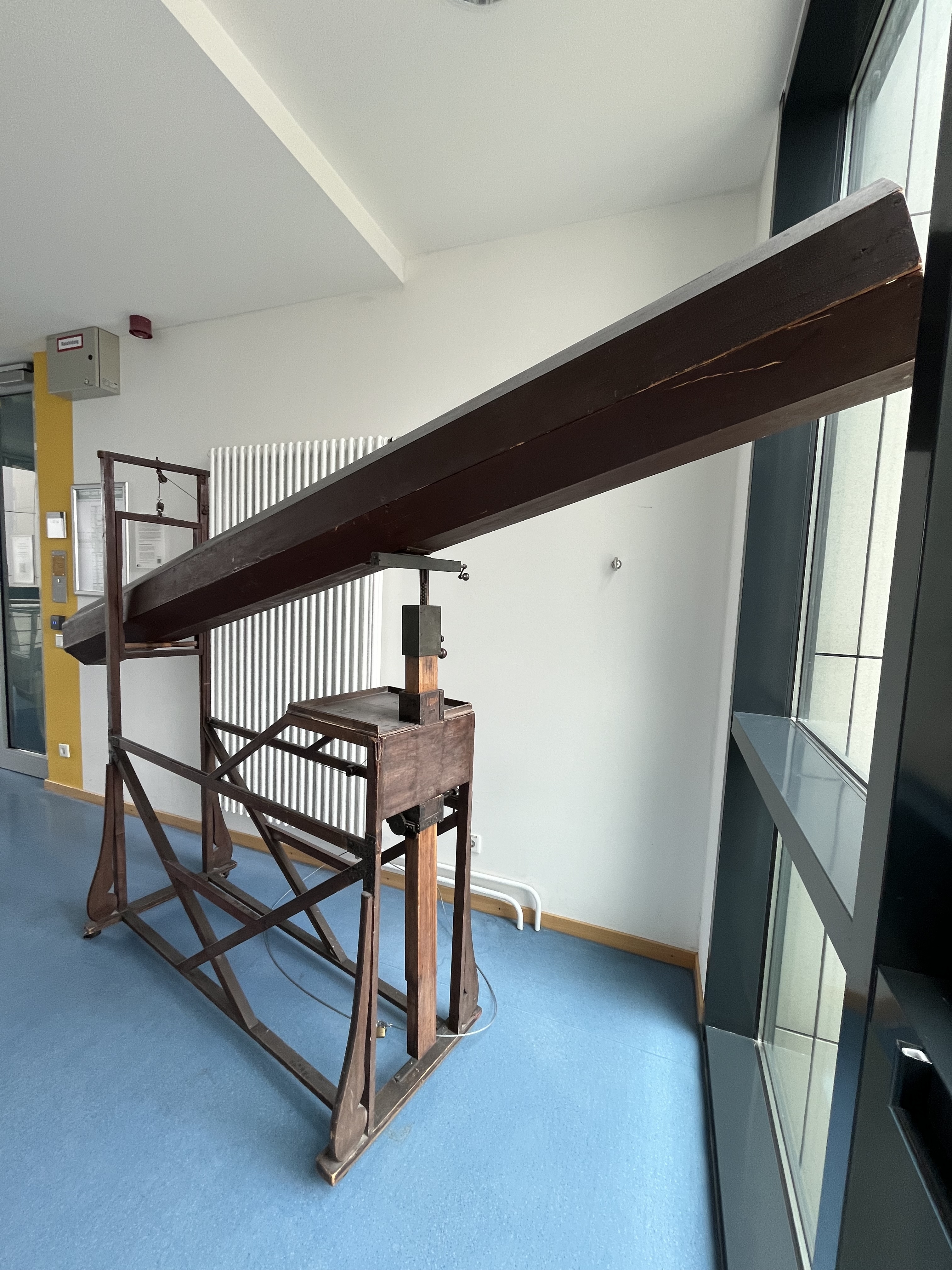
What an incredible find in the hallways of the Institut für Astrophysik Göttingen. This is a genuine F.W. Herschel telescope dating back to 1786, donated by King George III and installed by Herschel himself. It was later used at the new observatory by Harding to discover comets. It's wild to walk past the same kind of technology that Herschel used to discover Uranus.
Göttingen Observatory
📍 Göttingen, Germany
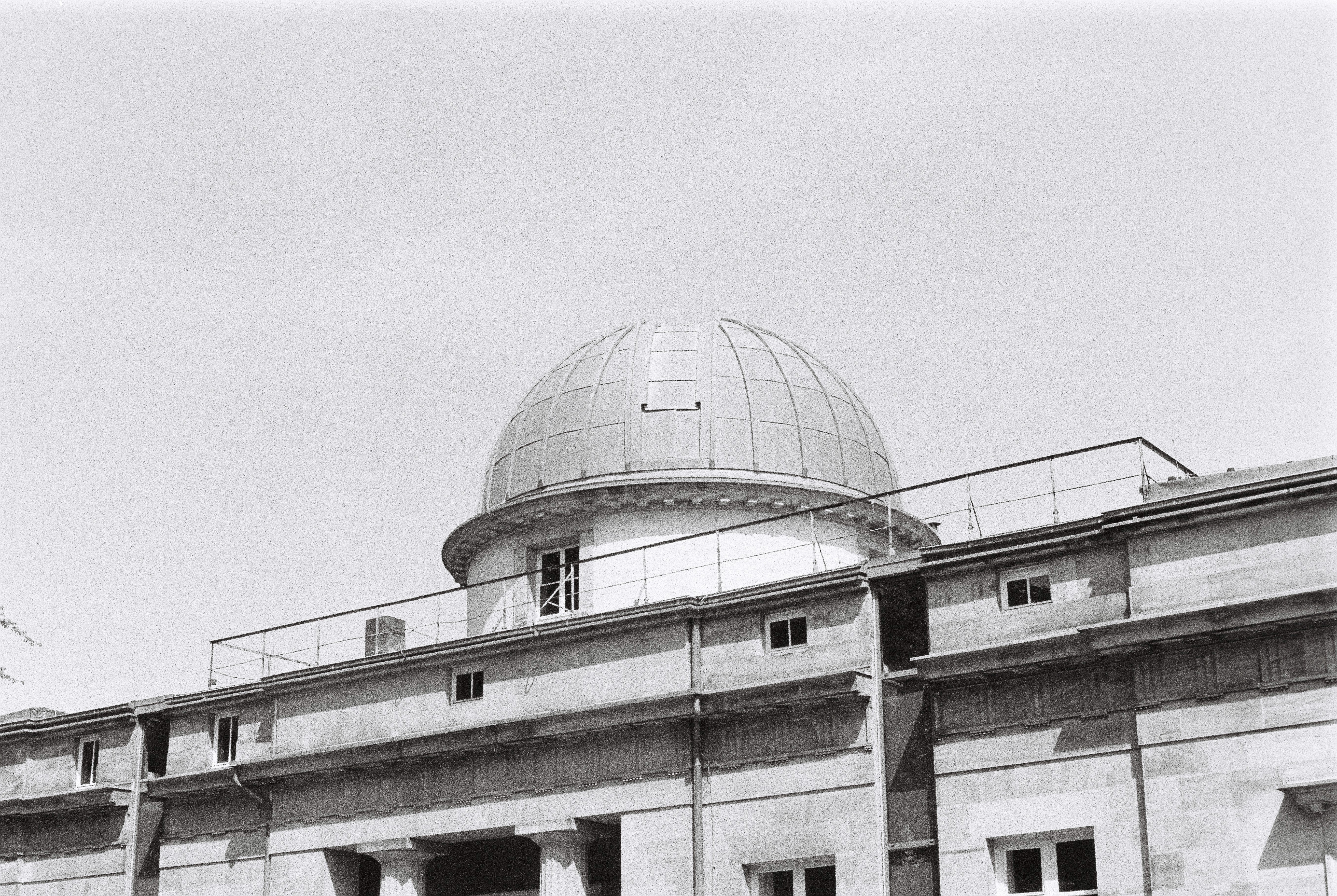
A visit to the historic Göttingen Observatory, founded in 1816, is a visit to the workplace of its first director, Carl Friedrich Gauss. It's so much more than just an astronomical observatory; it's where Gauss and his colleague Wilhelm Weber invented the world's first electromagnetic telegraph. Standing there, you're in the very spot where foundational work in magnetism, geodesy, and, of course, precision astronomy changed the course of science.
Calar Alto Observatory
📍 Almería, Spain
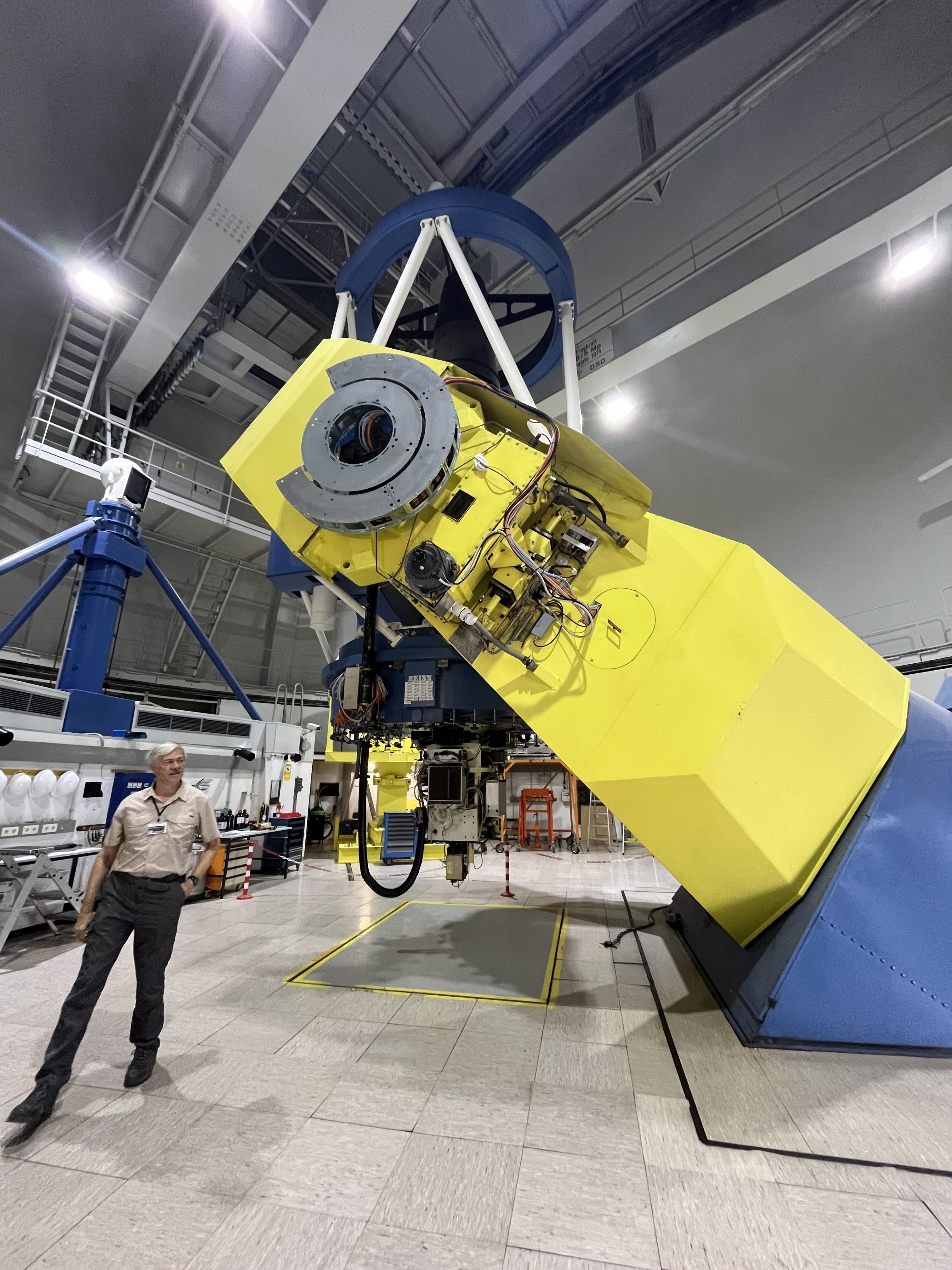
During the AstroRob25 conference, our excursion day took us to the Calar Alto Observatory. Unfortunately, the 3.5m reflector was undergoing maintenance, so we couldn't visit the largest optical telescope in mainland Europe. However, we did get a great tour of the plateau and the 2.2m reflector.
IAG Outreach Telescope
📍 Göttingen, Germany
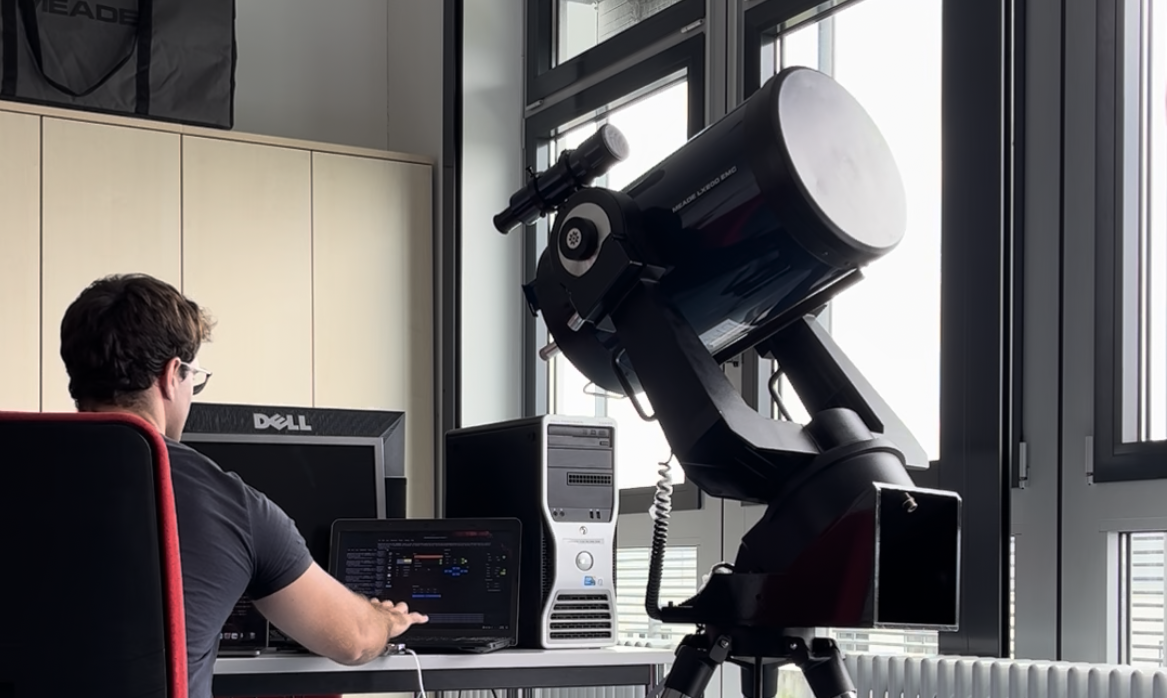
During my time at the Institute for Astrophysics and Geophysics in Germany, I was focused on learning to develop modern observatory control systems. My first project was to build a control system for a Meade telescope used by the institute for outreach and public open days. I started by writing a low-level Python driver, communicating with the telescope using the MEADE LX200 protocol over a serial (RS-232) connection. After successfully establishing control, I integrated it into the institute's main pyobs OCS project by developing a pyobs module. This experience also gave me the chance to work on a separate project developing software for an Andor Zyla sCMOS camera, which was a unique challenge as I wrote and tested the code entirely remotely from Germany while the camera was physically in South Africa.